
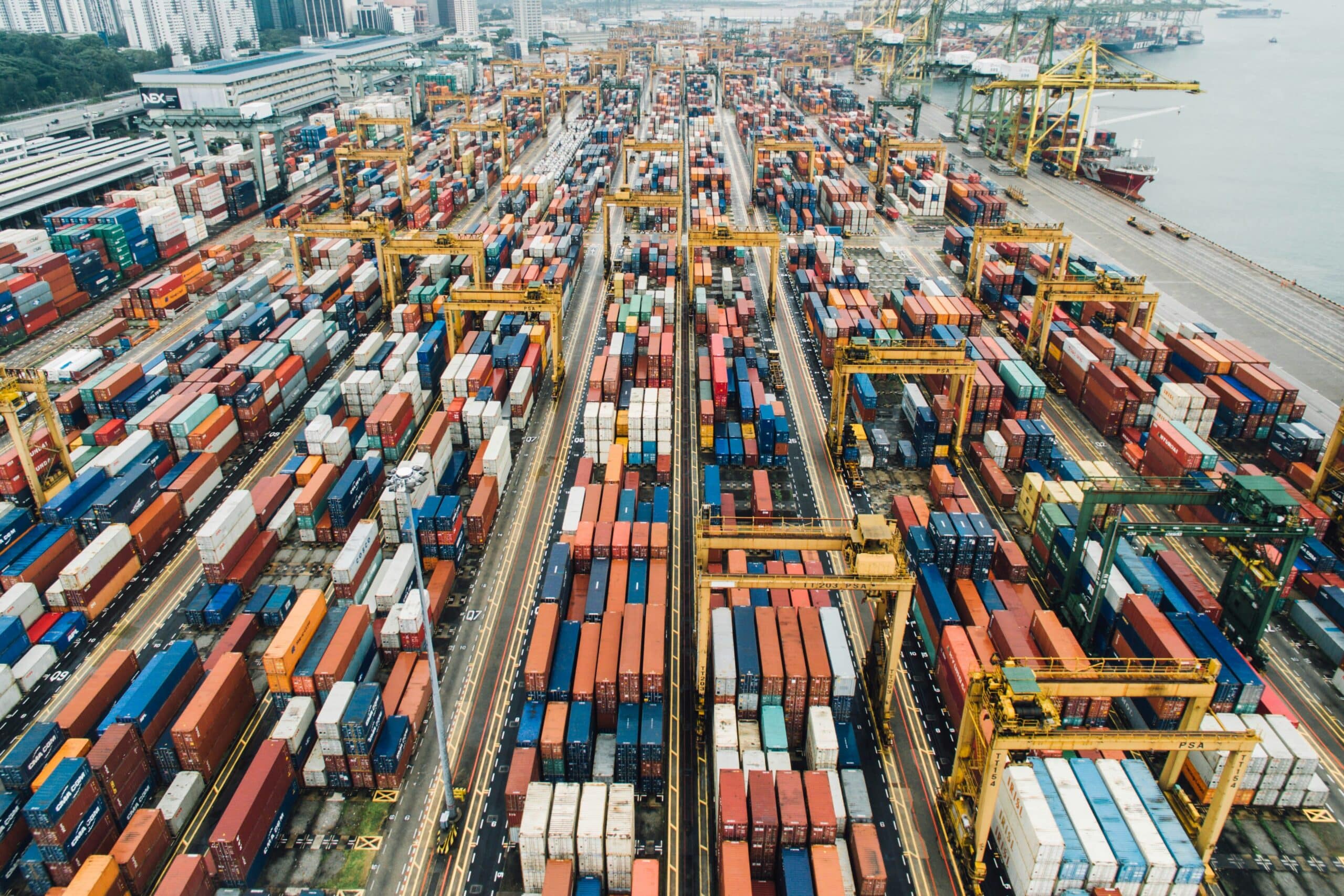
Supply Chains in a Fragmenting World Economy
For decades, globalization drove supply chain design. Companies optimized production around cost efficiency, sourcing components from multiple countries and relying on just-in-time logistics networks that stretched across continents.
Today, that model is being re-evaluated.
Geopolitical tensions, trade disputes, pandemic disruptions, and shifting industrial policies have accelerated a trend toward supply chain resilience rather than pure cost optimization. Businesses are now reassessing how they source materials, where they manufacture products, and how vulnerable their operations are to geopolitical and economic shocks.
For executives and investors alike, the restructuring of global supply chains represents one of the most significant economic shifts of the decade.
The End of Pure Efficiency
Historically, supply chains were designed primarily to minimize cost. Production was located wherever labor, energy, and regulatory conditions were most favorable.
However, recent events exposed the vulnerabilities of highly optimized global networks. The pandemic, semiconductor shortages, shipping disruptions, and regional conflicts demonstrated how quickly supply chains can become constrained.
Companies now increasingly view resilience as a strategic priority alongside cost efficiency. This means diversifying suppliers, maintaining greater inventory buffers, and sometimes relocating production closer to key markets.
The result is a shift from “just-in-time” supply chains to “just-in-case” supply chains.
The Rise of Regionalization
One of the most visible trends is the regionalization of production.
Instead of relying exclusively on distant manufacturing hubs, companies are increasingly exploring production closer to end markets. This includes:
- nearshoring production to neighboring countries
- diversifying suppliers across multiple regions
- building regional distribution hubs
North America, Europe, and parts of Asia are all experiencing renewed interest in regional manufacturing ecosystems.
This trend is not simply about economics. Governments are also encouraging domestic or regional production in strategic industries such as semiconductors, energy, pharmaceuticals, and critical minerals.
Strategic Implications for Businesses
For companies navigating this new landscape, supply chain decisions are becoming strategic board-level issues.
Organizations must balance multiple considerations:
- cost efficiency versus resilience
- geopolitical exposure
- logistics and transportation risk
- inventory management strategies
- capital investment requirements
Supply chain redesign may also involve financing considerations. Expanding production capacity, diversifying suppliers, or investing in new logistics infrastructure often requires access to capital and careful financial structuring.
A Structural Economic Shift
Supply chains will continue to evolve as geopolitical dynamics and industrial policies reshape global trade patterns.
Companies that proactively redesign their supply chains will likely gain strategic advantages in stability, responsiveness, and long-term competitiveness.
Those that remain dependent on fragile global networks may face greater operational risk.
Contact SZC Group
If your business is evaluating international expansion, supply chain restructuring, trade finance solutions, or capital raising strategies, SZC Group works with companies across industries to structure financing and strategic advisory solutions.
Contact SZC Group to learn more about how we can support your next stage of growth.
Leave A Comment