
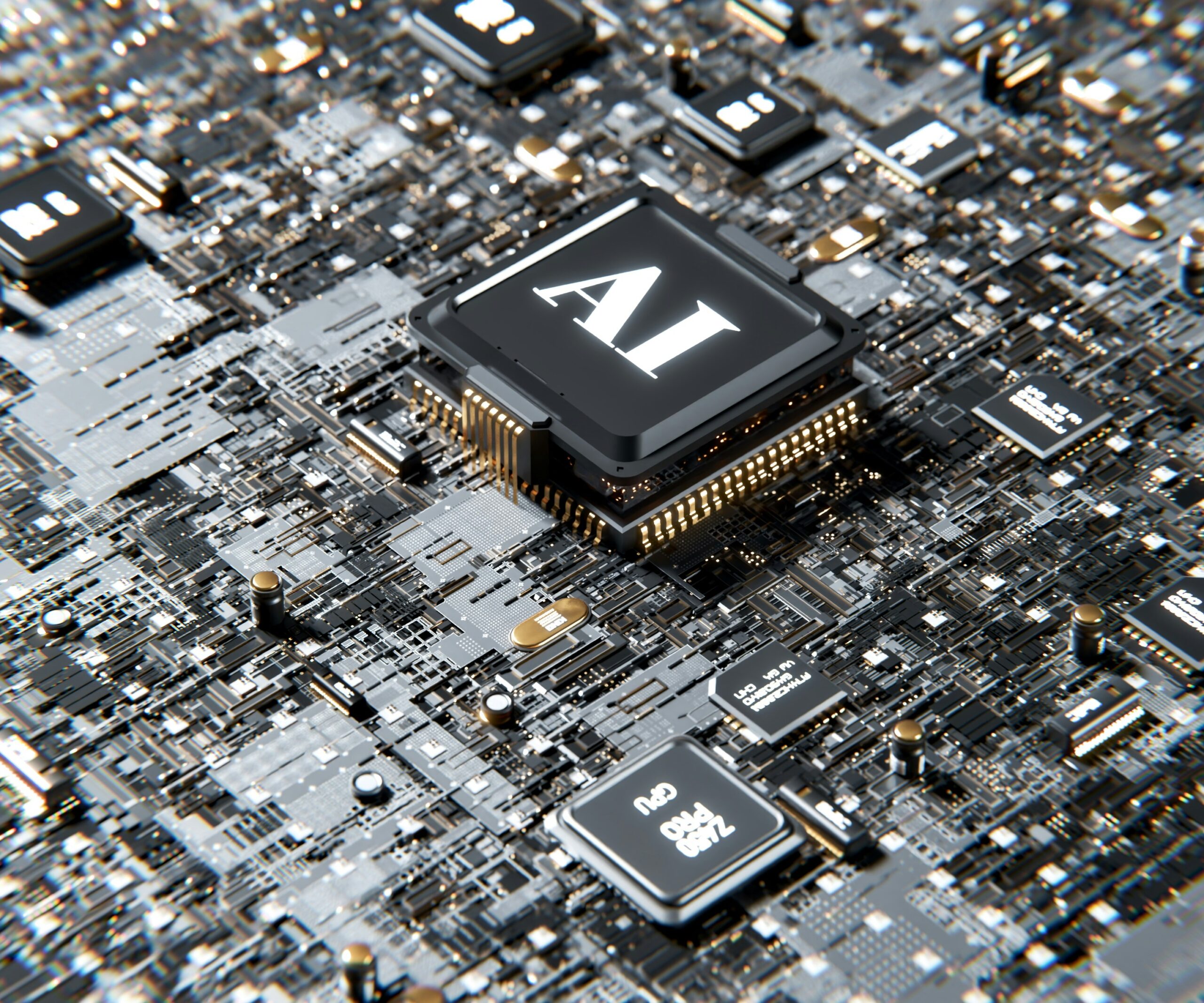
Artificial Intelligence and the Productivity Revolution
Artificial intelligence is rapidly transforming industries across the global economy. From financial services and healthcare to manufacturing and logistics, AI technologies are increasingly influencing how businesses operate and compete.
One of the most significant economic implications of artificial intelligence is its potential to drive productivity growth.
Historically, technological innovation has played a central role in expanding economic output. Advances such as electrification, computing, and the internet fundamentally reshaped global productivity patterns.
AI may represent the next major wave of productivity-enhancing technology.
Businesses that successfully integrate AI tools into their operations may benefit from improved efficiency, enhanced decision-making, and new product and service capabilities.
However, the adoption of AI also presents challenges. Organizations must invest in data infrastructure, workforce training, and cybersecurity measures to effectively deploy these technologies.
Regulatory frameworks governing artificial intelligence are also evolving rapidly as governments seek to balance innovation with ethical and security considerations.
Despite these challenges, artificial intelligence is likely to remain one of the most powerful drivers of economic transformation in the coming decade.
Companies that proactively integrate AI into their strategic planning may gain significant competitive advantages.
SZC Group advises businesses on strategic investment opportunities in emerging technologies and global innovation sectors. Contact us to learn more.
Leave A Comment