
Energy Markets in Transition: Investment Opportunities Amid Volatility
SEO Title: Energy Markets in Transition: Investment Opportunities in a Volatile Environment
Meta Description: Global energy markets are undergoing structural change as investment, policy, and demand shift. Learn how businesses and investors are responding.
Energy markets have always been cyclical, but the current cycle is being shaped by a deeper structural transition. Governments, investors, and corporations are navigating a complex landscape where traditional hydrocarbons, renewable energy technologies, and geopolitical developments are all influencing investment decisions.
For companies operating in energy-related industries—or those heavily dependent on energy inputs—the coming decade will likely be defined by volatility, technological change, and evolving capital allocation strategies.
Understanding how these forces interact is essential for businesses and investors seeking to position themselves for long-term success.
The Continuing Importance of Conventional Energy
Despite the rapid growth of renewable energy technologies, oil and natural gas remain central to the global energy system. These resources continue to power transportation, manufacturing, and industrial processes across much of the world.
At the same time, investment in new hydrocarbon production has become more cautious. Energy companies face pressure from investors and policymakers to balance traditional energy development with long-term sustainability goals.
This dynamic has created an environment where supply growth may remain constrained even as global demand continues to expand in many regions.
The result is structural volatility, with energy prices responding quickly to geopolitical developments, production decisions, and economic cycles.
Growth of Renewable and Alternative Energy
Alongside traditional energy markets, renewable technologies have experienced rapid growth.
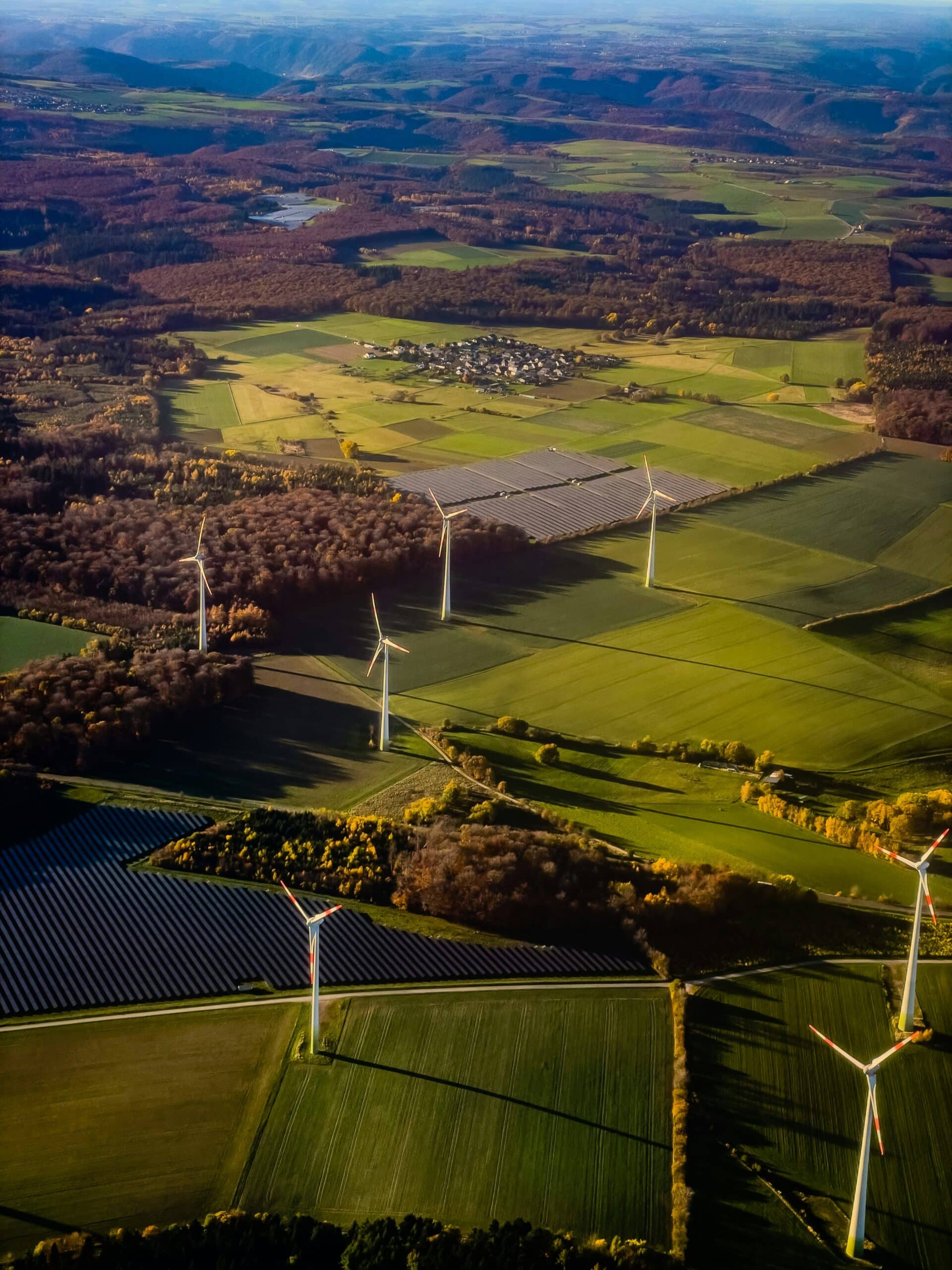
Solar, wind, and battery storage systems are being deployed at increasing scale as governments pursue energy transition strategies and companies seek to reduce carbon exposure.
However, renewable expansion also presents infrastructure challenges. Power grids, storage capacity, and transmission networks must evolve to accommodate new energy sources.
These developments are creating new investment opportunities in areas such as:
- energy infrastructure
- grid modernization
- battery storage technology
- hydrogen and emerging energy solutions
The energy transition is therefore not only an environmental policy issue—it is also one of the largest investment themes in the global economy.
Capital Allocation in a Changing Energy Landscape
For energy companies and investors, the central question is how to allocate capital across competing priorities.
Businesses must balance:
- maintaining a reliable energy supply
- Investing in emerging technologies
- managing regulatory and policy risks
- maintaining financial discipline
Capital markets are playing an important role in facilitating these transitions. Financing structures, joint ventures, and strategic partnerships are increasingly being used to support large-scale energy investments.
A Long-Term Transformation
Energy transitions historically unfold over decades rather than years. The global economy is likely to operate with a hybrid energy system for the foreseeable future, combining conventional fuels with rapidly expanding renewable capacity.
Companies that approach this transition strategically—balancing stability with innovation—will be best positioned to navigate the opportunities and risks of the evolving energy landscape.
Contact SZC Group
SZC Group works with businesses and investors across sectors on energy finance, capital raising, mergers and acquisitions, and strategic advisory services.
If your organization is evaluating opportunities in energy markets or seeking financing solutions for energy-related investments, contact SZC Group to learn how we can assist.
Leave A Comment